“Camille” – No One Suffers as Beautifully as Garbo
“Camille” from 1936 is the most perfect screen adaptation of the novel by Alexandre Dumas. Behind the success of George Cukor’s film is primarily the creation of Greta Garbo.

A web portal full of information about old cinema and film people. Check now movie reviews and rankings, actors' biographies, learn titbits and secrets of cinematography
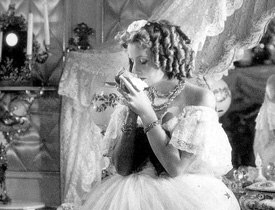
“Camille” from 1936 is the most perfect screen adaptation of the novel by Alexandre Dumas. Behind the success of George Cukor’s film is primarily the creation of Greta Garbo.
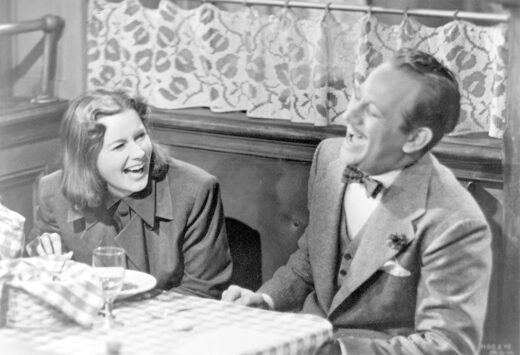
“Ninotchka” is a true comedy masterpiece. No wonder – the combination of Greta Garbo’s talent with Ernst Lubitsch’s directorial sense must have resulted in such a treasure.
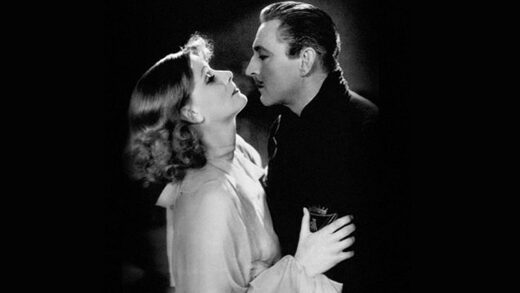
“Grand Hotel” went down in cinema history as a film that managed to bring together a whole plethora of the biggest stars of the 1930s, led by the legendary Greta Garbo.
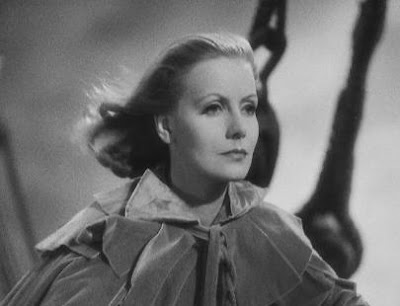
“Queen Christina” with Greta Garbo is a great film in which the legendary actress played a historical heroine, but also announced her future abandonment of cinema.
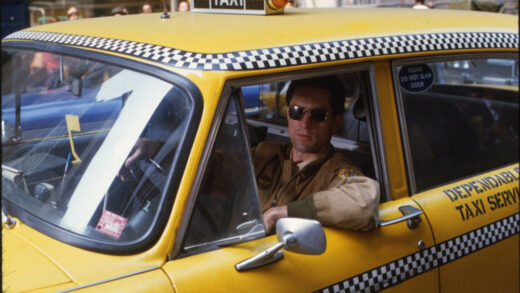
Martin Scorsese’s “Taxi Driver,” with a legendary performance by Robert De Niro, brings american demons to life in the atmospheric, nocturnal metropolis of New York.
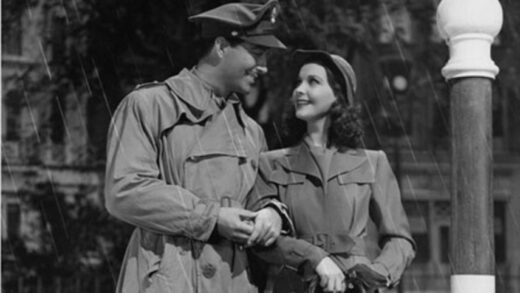
“Waterloo Bridge” starring Vivien Leigh and Robert Taylor, is a fatalistic story of a pre-marriage reunion between two souls quickly and brutally separated by war.
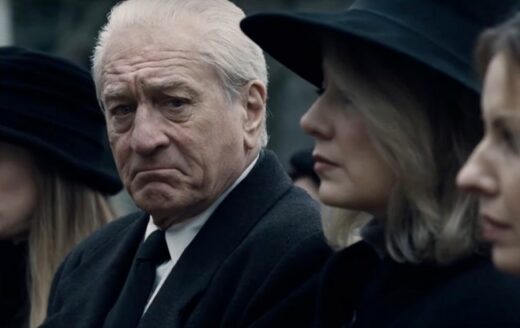
“The Irishman” is a very personal film by Martin Scorsese. Old-style Hollywood returns to sum up the master’s work, but also to ask the last most important questions.

“The Two Popes” is a film that shows that no one has a monopoly on God and even spiritual heroes can come to him through completely different paths.
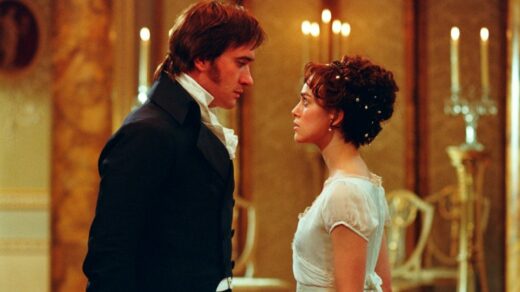
“Pride and Prejudice” is a film that has the idea of a faithful adaptation of Jane Austen’s novel, which does not mean that it has not been processed through the filter of modernity.
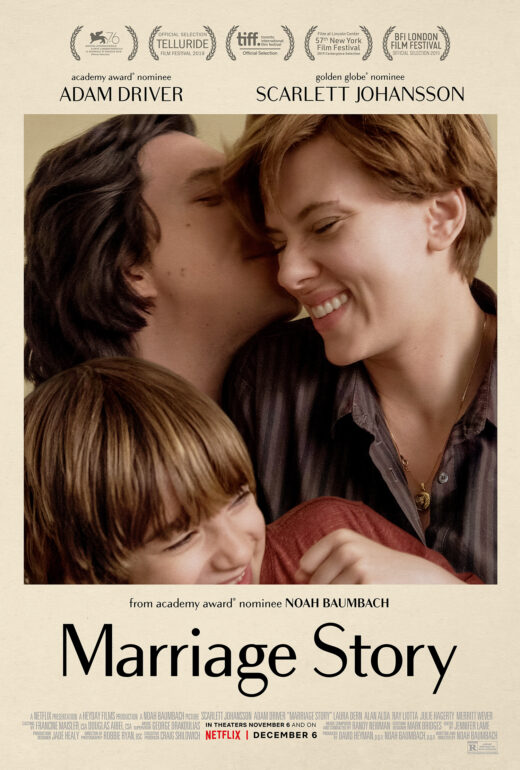
“Marriage Story” is a film that presents a truly Hollywood vision of divorce as a bit of a sad event, after which everything returns to the old order.
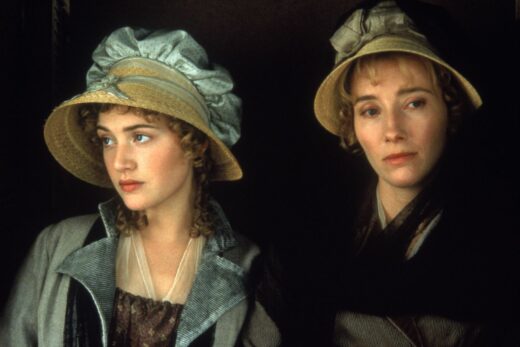
“Sense and Sensibility” by Ang Lee is a successful film adaptation of Jane Austen’s masterpiece, although it presents a slightly different vision of a woman than the author.

“The Bridge on the River Kwai” – one of the most famous war films – has a clear anti-war blade. There are no winners in war,” says David Lean.
 “The Postman Always Rings Twice” – an Erotic Thriller of the 1980s.
 TOP 10 animacji dla dorosłych
 „X” – porno-slasher posypany kokainą
 “The Cabinet of Dr. Caligari” – a Masterpiece of German Expressionism
 Top 20 – filmy rosyjskie
 Top 20 – filmy o nauczycielach
 Scandinavian Crime Movies & Series – Best 15 Nordic Noir
 “Zmijowisko” – Family Mysteries [Review]
 “La La Land” – the Painful Price of Dreams – Review
 „Bez szans” – miłość kontra władza i brudne pieniądze