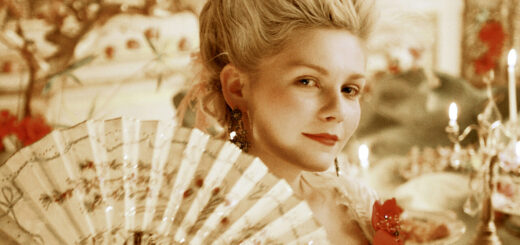
“Marie Antoinette” – Rococo Portrait Girl
“Marie Antoinette,” directed by Sofia Coppola, is a truly rococo portrait of the French queen, played magnificently by Kirsten Dunst, and an interesting depiction of the era.
A web portal full of information about old cinema and film people. Check now movie reviews and rankings, actors' biographies, learn titbits and secrets of cinematography
“Marie Antoinette,” directed by Sofia Coppola, is a truly rococo portrait of the French queen, played magnificently by Kirsten Dunst, and an interesting depiction of the era.
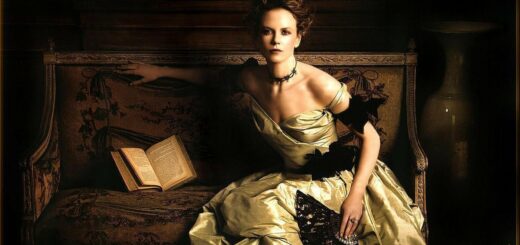
“The Portrait of a Lady,” directed by Jane Campion, is a film that tells the story of a woman’s maturation, which becomes a struggle against hypocrisy and the constraints of social conventions.
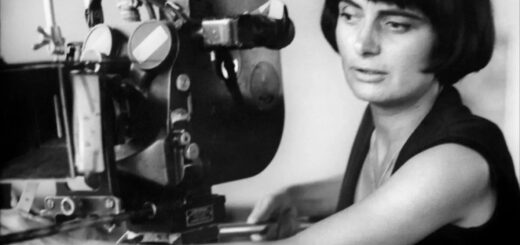
Female directors are, unfortunately, a minority of the profession. Women’s cinema, meanwhile, are outstanding names who deserve special recognition.
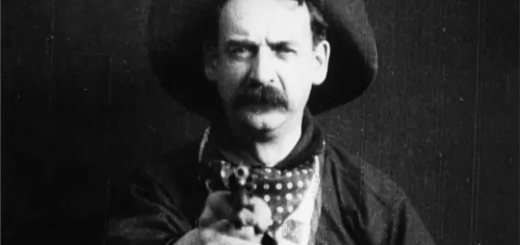
Edwin Porter and David Griffith determined the shape of American cinema. Film history owes them editing and plot, the basic means of cinematic language.
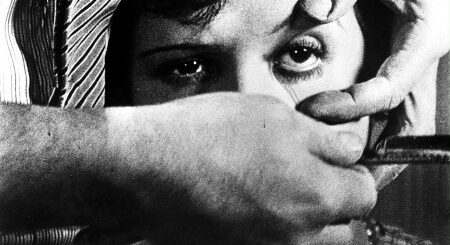
Soviet film and French cinema introduced avant-garde elements to the big screen. Without their innovation, the history of cinema would certainly look different.
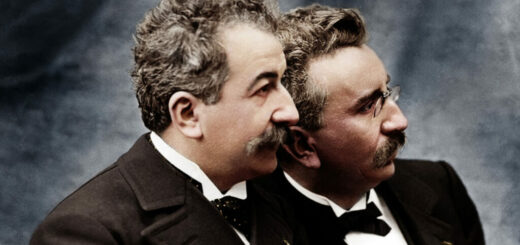
The origins of cinema are linked to France, where the first demonstration of the cinematograph took place for the first time. Thus, the official history of film begins with the Lumiere brothers.

“Blonde” by Andrew Dominik is a movie that antagonized film critics, viewers and Marilyn Monroe admirers. See now our review of this picture.
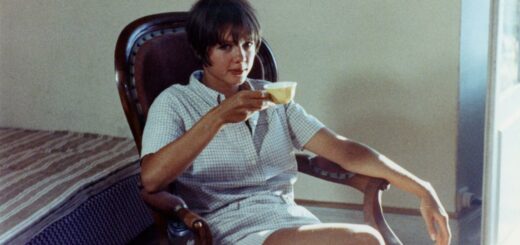
“The Collector” is one of six links in Eric Rohmer’s “Moral Tales,” in which the New Wave director takes an ironic look at the sexual revolution in France.
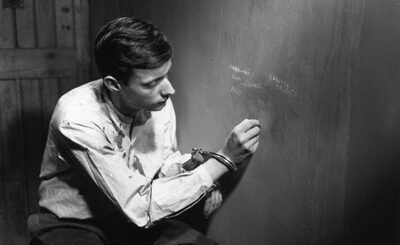
“A Man Escaped” exemplifies the greatness of Robert Bresson’s cinema. The authentic story of a World War II prisoner here has allegorical meanings.
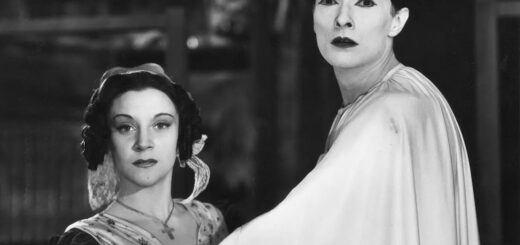
“Children of Paradise” is a film with which Marcel Carné ushered in the post-war era of French cinema, paying homage to the centuries-old art of acting and Gallic tradition.
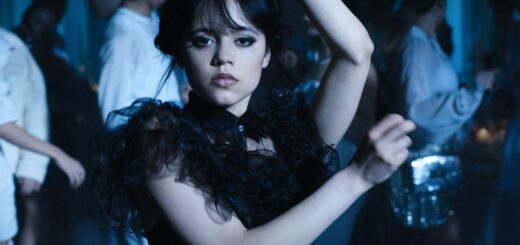
Is the Netflix series “Wednesday” worth watching? It’s worth it, because it’s great cinema not only for teenagers. Check out our review of Tim Burton’s production now.
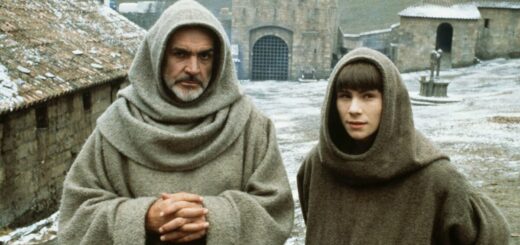
“The Name of the Rose” by Jean Jacques Annaud is a highly successful adaptation of Umberto Eco’s prose, which contains interesting insights into the European culture of the Book.
 The Best Erotic Movies – Top 20 Erotic Films
 “Indochine” – a French Tale of (Post)Colonialism
 The Best French Actors – 20 Greatest Actors from France
 „Wschód słońca” – ballada Murnaua o zdradzie i przebaczeniu
 Who Are Sally Rooney’s “Normal People”? – HBO Series Review
 30 Best Cartoons and Animated Movies For Kids
 Faye Dunaway and iconic films
 The Best Fantasy Movies of All Time
 „Crash: niebezpieczne pożądanie” – łóżko na czterech kołach
 “Dzień za dniem” – problem HIV i zespołu Downa na tle amerykańskiej rodziny